beyerdynamic TG D71C Reviews: See Why 0 Shoppers Rated It 0 Stars!
Curious about the beyerdynamic TG D71C microphone? Before you commit, see what 0 musicians thought about these beyerdynamic microphones — from real-world use to surprise letdowns.
 Supermod
  Moderator
 Recaptor
 Beyerdynamic TG D71C: A Solid Choice for Instrument Capture
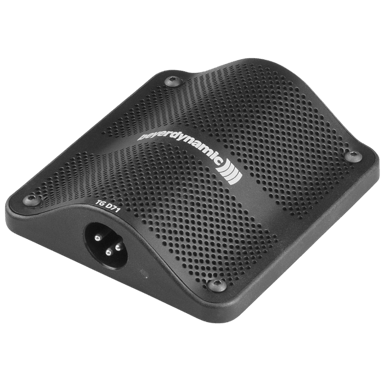
When it comes to selecting a reliable microphone for instrument recording, the beyerdynamic TG D71C stands out as a noteworthy contender. Designed specifically for professional and intermediate users, this condenser boundary microphone was released in 2016 and crafted in Germany, favoring precision and durability.
While the microphone has a targeted use in instrument amplification and is compatible with devices like karaoke machines, it blends studio-grade technical specs with practicality, making it a worthwhile option for live or field recording scenarios. But does it really live up to its numbers when looking deeper at its features and engineering data? Let's dive in.
Detailed Specs & Features
On paper, the TG D71C is a condenser microphone with a cardioid polar pattern, optimized for focused sound pickup from the front while reducing ambient noise. Its frequency response range, spanning from 25 Hz to 20,000 Hz, allows it to cover both deep bass notes and crisp highs, crucial for accurately capturing the nuances of instruments.
Its electret capsule type supports this broad frequency coverage with a fast transient response, enhancing detail retrieval in dynamic performances. Connectivity-wise, the microphone uses a classic XLR wired interface, ensuring low noise and professional-grade balanced audio output, compatible with most mixing consoles and audio interfaces.
Given its phantom power support at 11 volts, it easily integrates into studio environments without demanding specialized power supplies. Its power indicator light conveniently confirms operational status. From a mechanical perspective, the mic features a robust, rugged metal finish and metal body construction, indicating durability and suitability for demanding live settings.
It weighs less than a kilogram (~0.91 lbs), portable yet stable when mounted on stands or boom arms. The microphone supports various mounting options, including stands, boom arms, and clips, facilitating a flexible setup. Users also benefit from a detachable cable of 11 feet, easing replacement or customization.
In terms of package contents, the TG D71C comes with a convenient carrying case and a comprehensive instruction manual, facilitating straightforward setup and transport. The manufacturer backs the product with a 2-year warranty and has maintained important safety and environmental compliances, such as RoHS and FCC/CE approvals, which reassure users about quality and longevity.
User Experience & Performance (Based on Specs)
Design & Build
In daily use, the TG D71C communicates quality through its all-metal construction and rugged coating that resists wear and tear without carrying additional bulk. The modest dimensions (3.39 inches width, 3.54 inches height, 1.06 inches depth), along with a lightweight design (~0.91 lbs), make it easy to position on various mounts.
Its detachable cable is a user-friendly touch, permitting quick replacements or setups, preventing frustration from cable damage over time. Though it lacks shock mounts or integrated pop filters, its internal foam dampening somewhat cushions unwanted vibrations, which is valuable in both studio and live environments.
Performance
What makes this mic notable is its technical aptitude for clear, articulate sound reproduction of instruments. The cardioid directionality reduces unwanted ambient noise and feedback, essential for live fields or studio isolation. Its high max SPL of 148 dB means it handles loud sound sources without distortion, perfect for percussion or amplified instruments. A signal-to-noise ratio of 78 dB positions it well to deliver clean recordings without excessive hiss.
Additionally, the studio-grade internal preamp and transformerless design reduce coloration and preserve accuracy, making the TG D71C appealing for precise capture. However, the lack of onboard controls, such as gain adjustment or mute, could challenge users who need quick tactile adjustments on stage. The absence of features like proximity effect control or off-axis rejection could be a consideration when dealing with complex sound environments. Despite that, its intended use as an instrument microphone aligns closely with its specs, emphasizing detailed and uncompromised fidelity.
Audio Quality
Given the electret condenser capsule and its fast transient response, the TG D71C excels at capturing sharp attacks and subtle tonal variations. Its wide frequency range fully accommodates most instruments' sounds, ensuring no loss of critical harmonics or low-end fundamentals.
As a cardioid mic, it focuses on the primary sound source. However, it lacks advanced voice isolation or noise cancellation features, meaning some background leakage might still appear in busy recording spaces. The phantom power support enhances signal clarity and stability, a non-negotiable for consistent sound quality.
Extra Features
On the extras front, the TG D71C includes LED indicator lights signaling operation status, which is helpful in live setups to reduce guesswork. That said, it misses out on more modern enhancements such as DSP processing, beamforming technology, or AI noise cancellation, which are increasingly common in newer microphones targeting versatile recording environments.
Pros & Cons
Pros
- High max SPL of 148 dB supports loud instruments without distortion
- Durable metal construction with rugged finish for reliable use in demanding environments
- Studio-grade internal preamp and transformerless design ensure clean, accurate sound reproduction
- Support for XLR wired connection and phantom power suitable for professional audio setups
- Comes with a carrying case and an instruction manual for easy portability and setup
Cons
- Lacks onboard controls such as gain adjustment and mute
- No advanced noise cancellation, DSP, or multi-pattern switching features
- Absence of a shock mount and a pop filter may necessitate additional accessories for some users
- No water, dust, or drop resistance certifications, limiting use in harsh conditions
Price & Value for Money
Priced at $299.99 at Sweetwater, the TG D71C offers solid value in its niche. Given its 2-year warranty and phantom power requirement suited for professional environments, the price is justified by its premium build and audio quality characteristics.
Users seeking a specialized instrument boundary microphone won't find many competitors offering the same balance of durable construction and studio-grade components at this price point. On the flip side, those needing multi-functionality with integrated controls or wireless convenience might find it less appealing.
Quick Take
In short, the beyerdynamic TG D71C is a focused, reliable instrument microphone that shines through sturdy build and clean, detailed audio. If we look at the numbers alone, its sound handling capabilities, like a high max SPL and excellent frequency coverage, are impressive for capturing instruments in both studio and live contexts. Its straightforward design and proven engineering reflect German precision, appealing to professionals prioritizing audio integrity.
Closing Recommendation
The TG D71C may be ideal for musicians, sound engineers, and recording professionals who want a no-nonsense, high-fidelity condenser mic for instrument capture. Its specs and build quality suggest it performs best in controlled studio or live environments where its cardioid directionality and high SPL handling can be fully utilized. While lacking bells and whistles, its core design helps users achieve clear, natural sound reproduction without compromising on durability or professional-grade connectivity.
Verdict
Rating: Based on the specifications and overall feature set, we believe beyerdynamic TG D71C deserves 4.2 out of 5.
- Winner Feature => Exceptional max SPL capacity paired with studio-grade internal preamp ensures outstanding instrument sound capture.
- Needs Improvement => The lack of onboard controls and advanced noise management features limits flexibility during live or dynamic setups.
Reviews 0
The good, the bad, and the brutally honest.Average Rating


More Microphones 1229
Unlock more awesome finds.